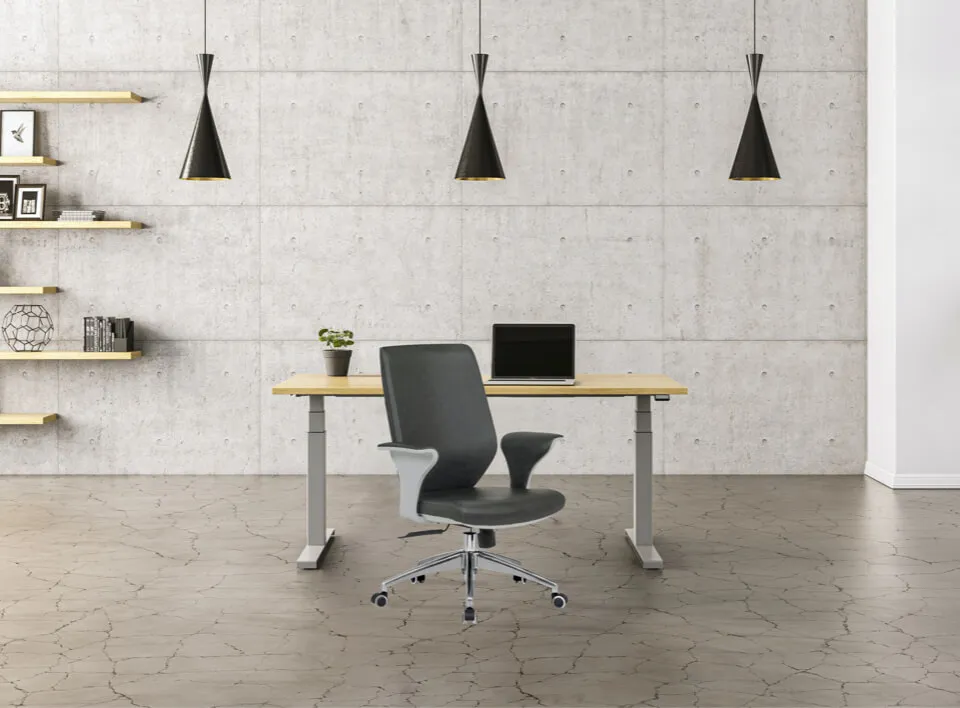
How to build your own office chair brand (without owning a factory)
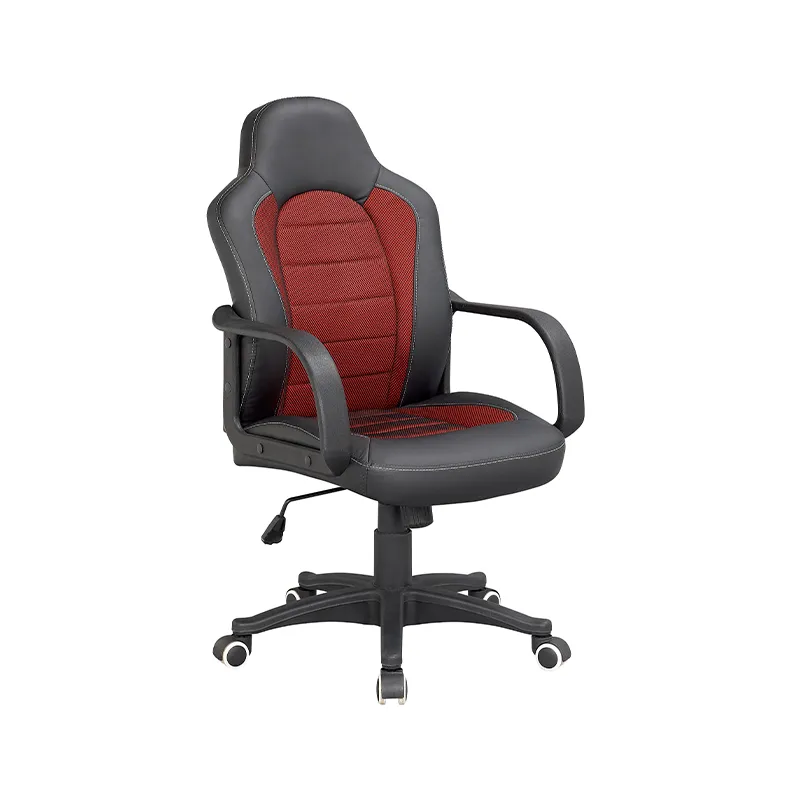
A lot of our best customers are brands, not buyers — people selling chairs under their own name on Amazon, their own store, or to retailers. They don't own a factory. They own a brand. Here's how that actually works for chairs.
What "private label" really means
You take a proven chair, make it look and feel like *yours*, and sell it under *your* brand. The factory stays invisible. In practice, that's:
- Your colours — an exclusive colourway nobody else has.
- Your logo — embroidered, printed, or moulded, on the chair and the box.
- Your packaging — custom carton, insert, manual, and a barcode/label that's ready for the platform.
- Optional tweaks — a different arm, base or back, so it's not visually identical to the catalogue version.
The structure and testing already exist (that's what makes it affordable), but the customer experience — unboxing to logo — is all you.
The five things to get right
- Pick the right base model. Start from a chair that already sells and is solidly built. Branding a weak chair just puts your name on a return.
- Lock the spec in writing. Gas lift class, foam density, mechanism — your reviews depend on these, so don't leave them vague.
- Engineer the unboxing. On Amazon especially, packaging *is* the first review. Custom carton, clean foam protection, a tidy manual. It's cheap and it pays back.
- Get your branding production-ready. Vector logo, exact Pantone colours, and label/barcode specs that match the platform's requirements.
- Protect the brand. Register your trademark — in your destination market and in China — before you scale. If your name starts selling, you want to own it.
ODM vs OEM for a brand
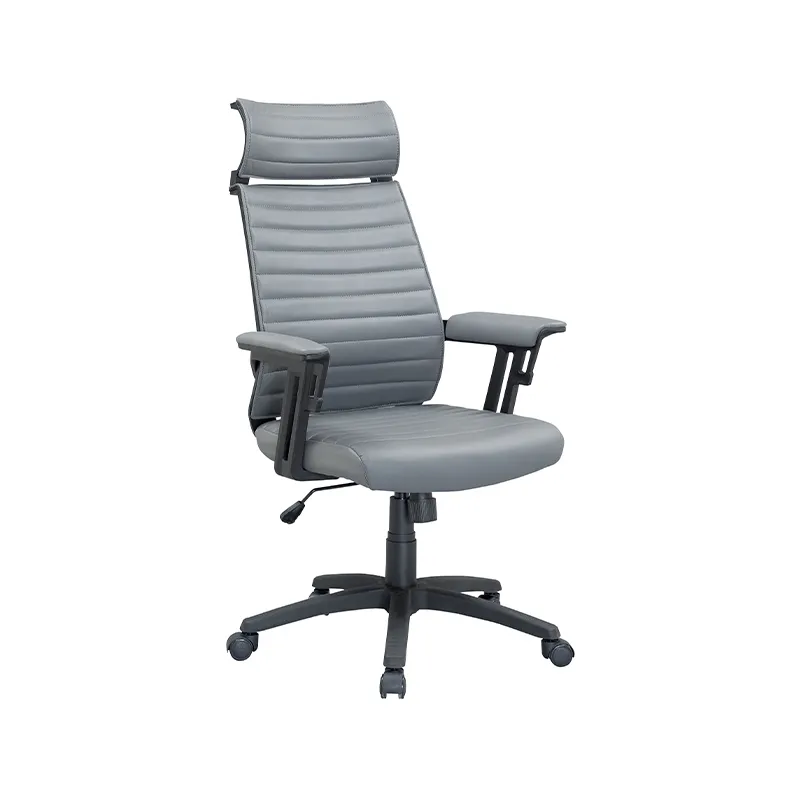
Most brands should start with ODM plus modifications: take a proven model, change the colour, the arm or the back, add your branding. It's fast, affordable, and gives you something that looks distinct without paying for a new mould. Go full OEM (your own mould) only when you have a genuinely unique design worth protecting. (We wrote a whole piece on OEM vs ODM if you want the detail.)
The honest math
Private label isn't about being cheapest — it's about owning the customer. A well-built, well-packed, well-branded chair earns the reviews and reorders that a generic one can't. That's the whole reason to do it.
If you've got a brand and a market and want to know what a private-label run actually costs — base model, branding, packaging, MOQ — tell us at [email protected] or through the site. We'll map it out, and we'll stay invisible behind your name.